
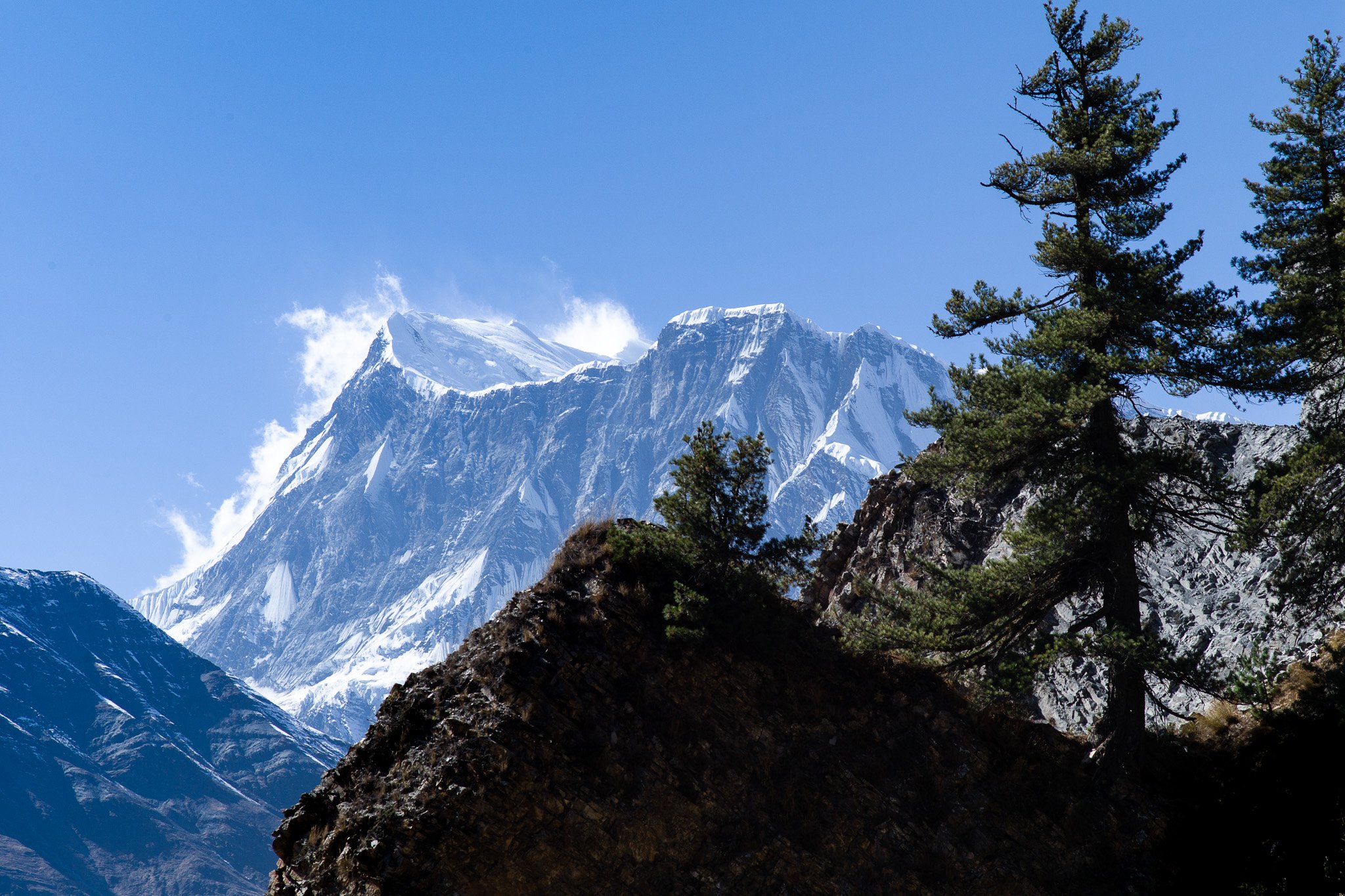
Gangapurna (7,455m/24,460ft), a peak in the Annapurna range
Since Nepal first opened its borders to foreigners in the 1950s, its Himalayan landscapes had seemed timeless and eternal, its diverse cultures set to endure forever. But as global warming gains the upper hand, mountain glaciers are retreating and the weather is becoming more unpredictable. Seasons untether from age-old almanacs, requiring trekking organisers to adapt.
Glaciers that feed rivers have shrunk in the past 100 years; new glacial lakes and unstable moraines threaten to flood downhill villages; powerful storms trigger landslides; snowfall patterns get less reliable; and the annual monsoon in the summer months is changing.
Traditionally, Nepal has four seasons - spring (March–May), the monsoon summer (June–August), autumn (September–November) and winter (December–February). Spring and autumn have long been considered the primary trekking windows, with their clear skies and stable weather. Summer means endless rain, leeches and poor visibility, which trekkers avoid. Snowfall in winter makes mountain passes and routes impossible for casual hikers.
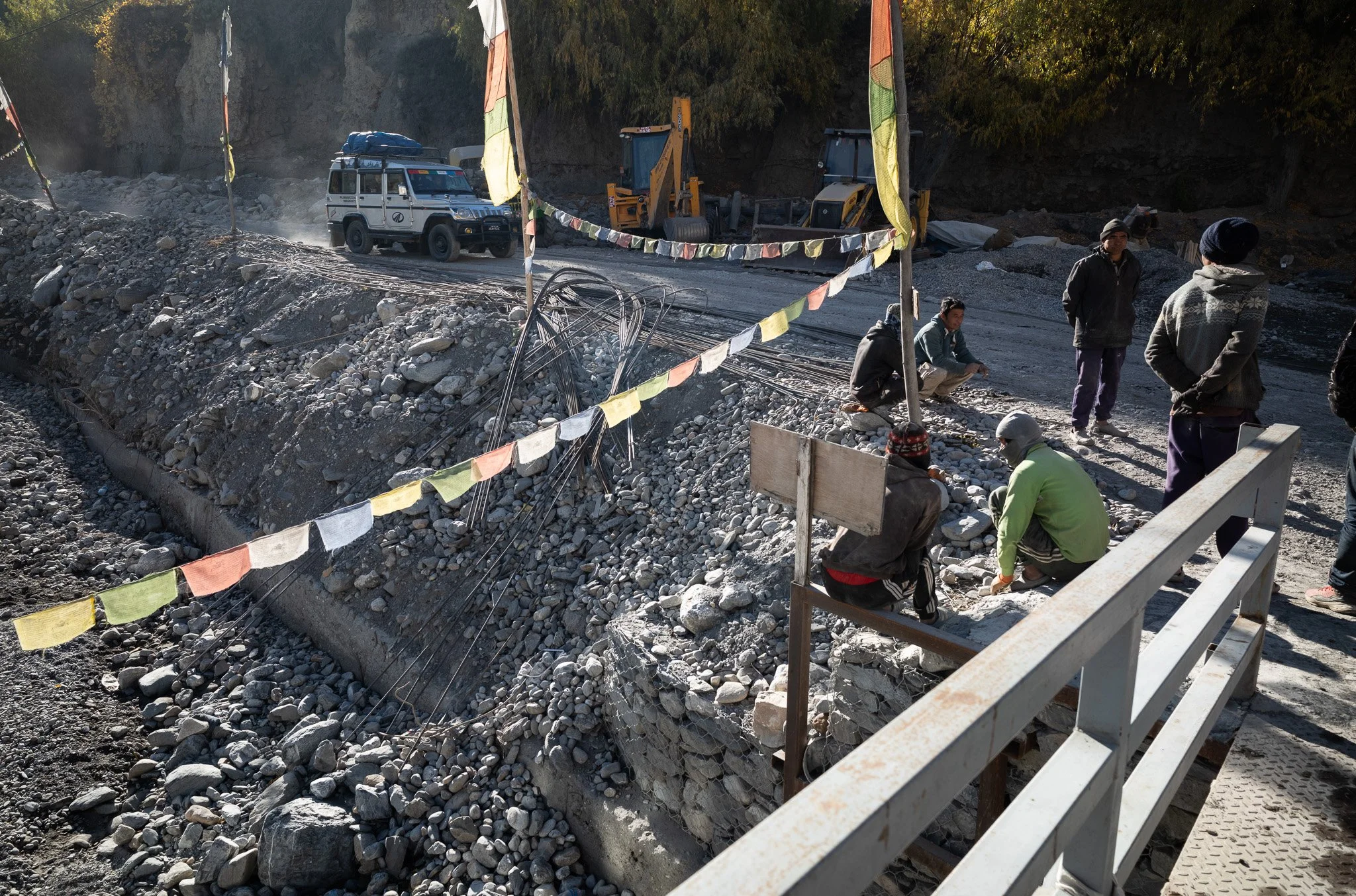
Workers rebuilding the banks of the Gandhaki river in 2024, a year after a flash flood destroyed its banks
That predictability is slipping, requiring hikers and trek operators to rethink assumptions about the "best" and safest months to visit.
Snowfall may arrive later than forecast and winters may go on for longer with unexpected snow storms in late March. But with drier Decembers and Januaries and snowfall shifting towards February–March in some areas, routes normally considered closed in winter suddenly become doable.
In spring, haze from forest fires reduces visibility and disrupts flights. The summer monsoon sometimes extends into September and even into October like in recent years, bringing intense rainfall, triggering widespread floods and unleashing landslides in hilly regions.
At Nepal Himal, our guides have witnessed first-hand the disruptive effects of climate change, not just on trekking holidays but also on the livelihoods of people and viability of rural communities.
In August 2023, a flash flood of unexpected proportions descended upon Kagbeni, which lies north of the Himalayas in the rain shadow of 8,000-metre (26,200 feet) and 7,000-metre peaks. Torrents of mud and water tore through the village, often a pit-stop for travellers headed for the arid region of Mustang.
On August 13 that year, the local weather station at Jomsom Airport, gateway to Mustang, recorded 25.4mm (1 inch) of rainfall in one day. The average rainfall for the entire August is 43.9mm.
Nepal Himal assures its clients that the company is taking steps to adapt to the long-term effects of climate change:
1. All classic trekking routes in areas with developed tourism infrastructure such as the Annapurna and Everest regions remain intact. But our guides will always assess routes and conditions prior to departure by calling up local contacts.
2. We also have a "Flexible Itinerary" policy where alternative routes are recommended for the same travel dates. For example, sections of a trek can be re-routed to lower-altitude areas if high mountain passes become risky. Trips can also be postponed by a week or two, or even rescheduled to another time over a two-year period.
3. We always advise clients that itineraries might change for safety reasons. The mode of transport might also change and we sometimes make detours or even turn back. The safety of our clients and crew is paramount. Sometimes the weather makes domestic flights too risky, which is why we would also choose to travel by road if possible while ensuring that clients do not fall behind on their schedules.
4. We also advise clients on treks of higher than 3,200 metres (10,500 feet) to bring layered clothing even in the summer; reliable and waterproof footwear, especially when crossing mountain passes; sun protection; water-treatment options such as purification pills or LifeStraw; and a small, personalised first-aid kit.
At Nepal Himal, we consider the safety and security of our trekking groups our topmost priority. As the climate changes, we are always on the lookout for new trekking and travel routes as alternatives or even worthy trips on their own.
We will keep you posted!