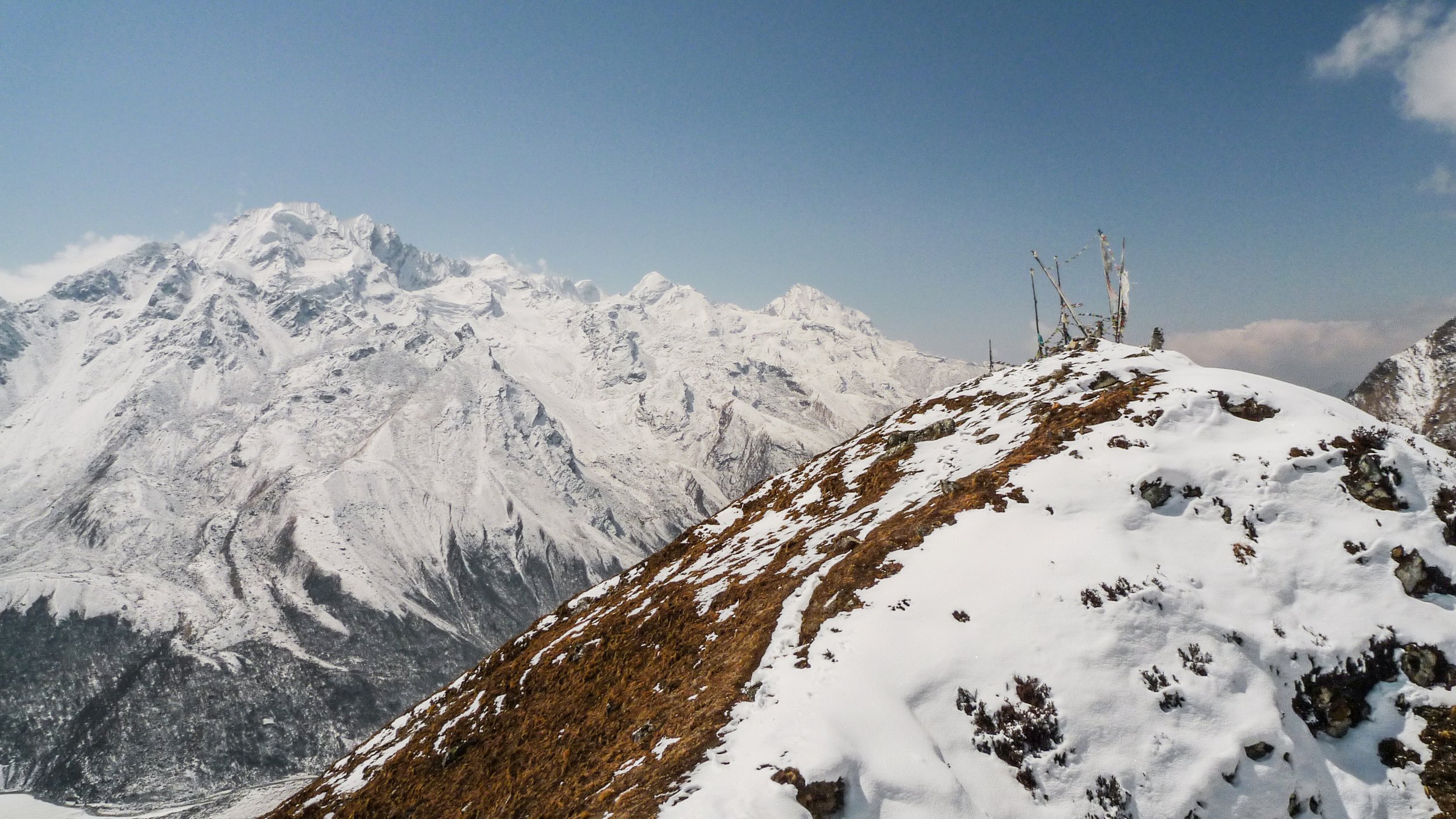
Video by Nepal Himal
Video editing by Lionel Roudaut
In the spring of 1689, the Japanese poet Matsuo Bashō (1644–1694) set off on foot from Edo (Tokyo) for Oku. Braving rugged terrain, isolation in remote regions, capricious weather and mountain bandits, Bashō walked for nearly 1500 kilometres (930 miles). In his travelogue “The Narrow Road to the Deep North” on his more than 5 month-long journey, Bashō wrote about his deep connection with nature, impermanence, the passage of time, and the human condition.
Amazingly, trekkers in Nepal in the present day can, and do, draw parallels with Bashō’s experiences as they reconnect with nature in remote hills and unplug from the stresses and worries back home. Trekking is not just a recreational activity that involves walking for long distances over a period of days. It is a quest for a sense of purpose as trekkers, like Bashō, brave the elements and Nepal’s rugged terrain (but no bandits!). And upon completing their journey, they return home with a renewed sense of purpose and self.
Particular to Nepal, such journeys take place in some of the world’s most dramatic natural landscapes. The cultural richness encountered on the way adds another dimension to the trek. The camaraderie among travellers encountered on the trail is an unexpected dividend. Trekkers also go home with a tremendous sense of personal achievement, especially after finishing a trek that demands physical and mental resilience.
Further reading:
“The Narrow Road to the Deep North”, Matsuo Bashō
“The Odyssey”, Homer
“Into the Wild” (1997), Jon Krakauer
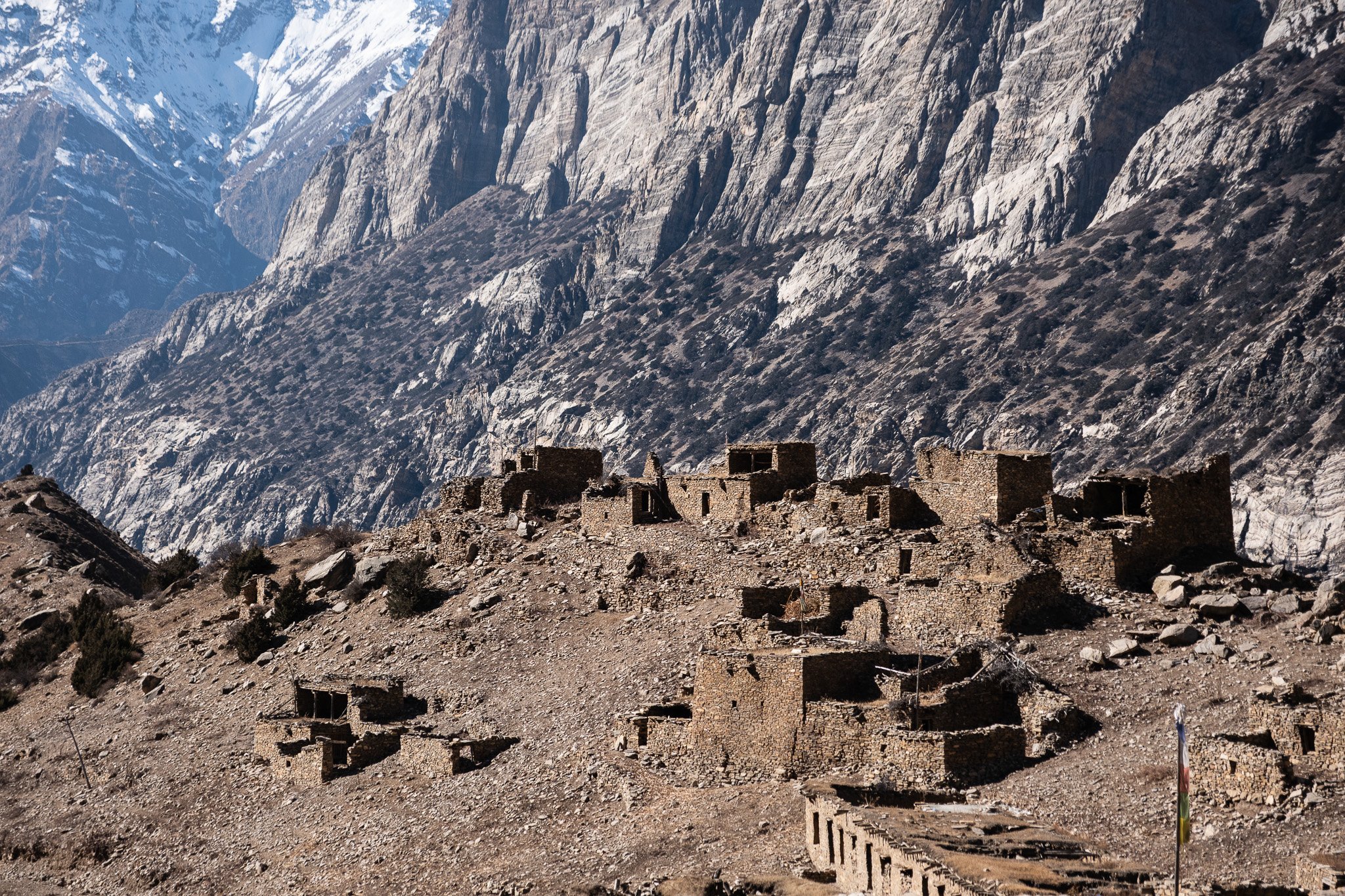
Isolation
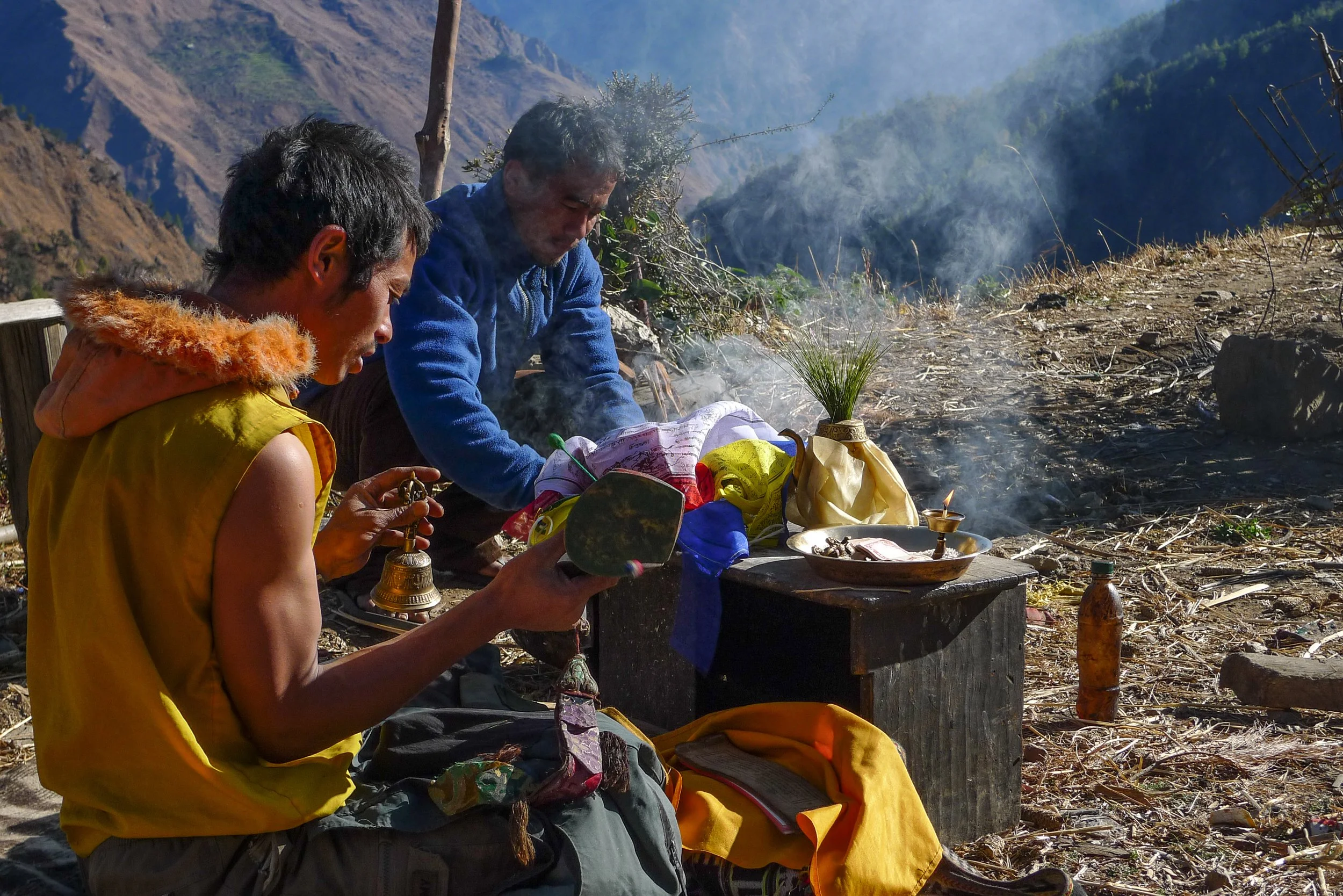
Culture