
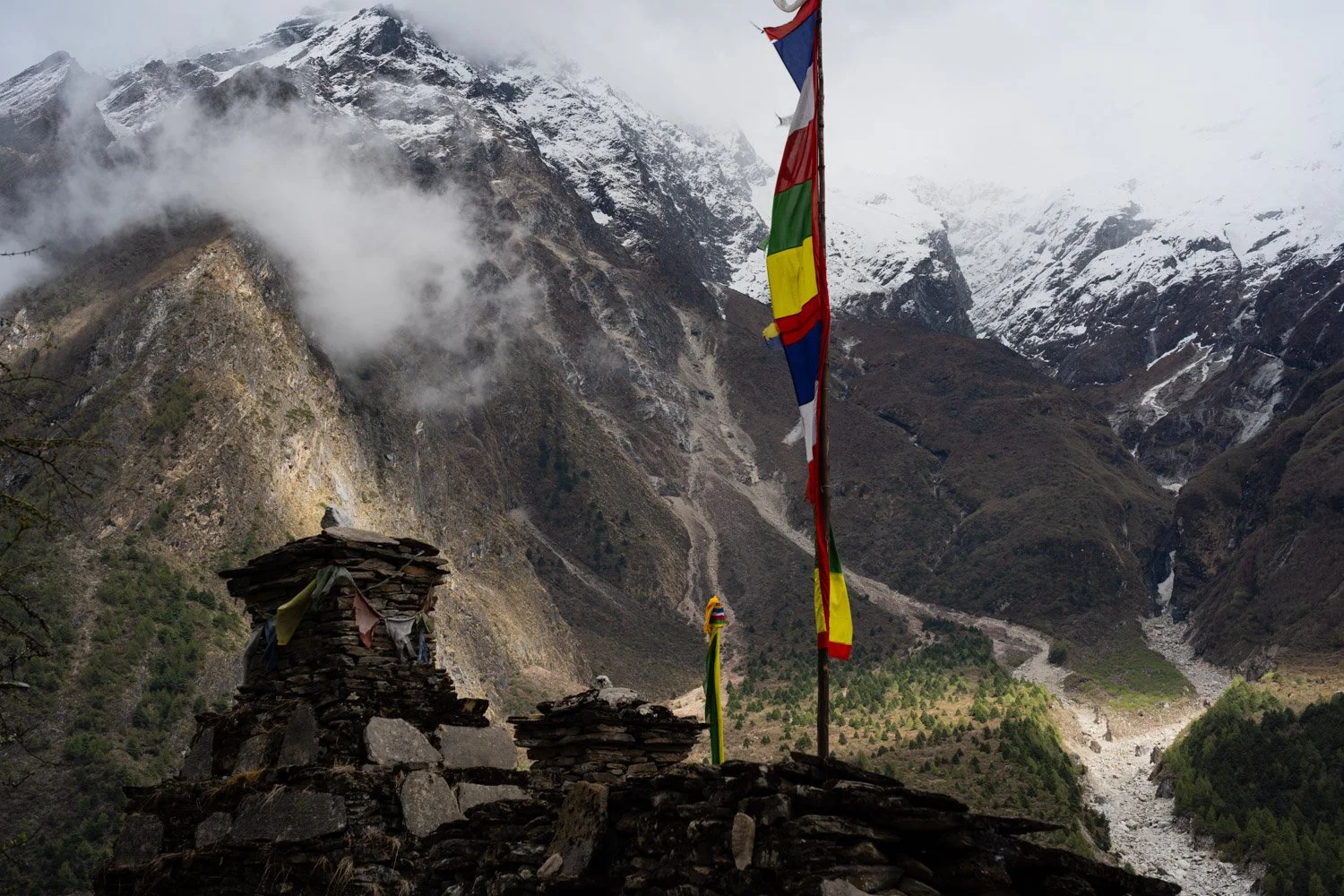
For some of us, the only time we can take extended time off is during the summer months from June to August. Unfortunately, that coincides with the seasonal monsoon rains sweeping across Nepal and other South Asian countries. In Nepal, the steamy Terai plains to the south and the subtropical middle hills from east to west across the country are indeed wet and, in many parts, dangerous to trek or even drive.
However, regions in Nepal’s far west and north remain largely dry, shielded from the worst of the monsoon rains by the 7,000- and 8,000-metre peaks running the length of the Himalayan nation. That means outdoor enthusiasts hoping to trek or tour Nepal during this time would have to focus on rain-shadow areas that lie north of the Himalayan peaks.
Trekkers seeking treks or tours supported by teahouses and lodges gravitate towards the arid region of Mustang. In 2025, Jomsom in Lower Mustang logged 377.6mm (14.9 inches) of rainfall, the lowest in the country. By contrast, Lumle near the city of Pokhara south of the Himalayas recorded the highest annual precipitation of 5537.2mm (218 inches). The secluded valleys of Nar Phu are also a good option, protected by the Annapurnas from most of the rain clouds streaming in from the southeast. Manang in the upper part of the Annapurna Circuit, lying partially in the rain shadow, also offers trekkers many options, including excursions to monasteries, shrines, and nearby hills.
Trails in Upper Dolpo, which lies behind the lofty Dhaulagiri range to the west, are also a good option. Lower Dolpo will be far less protected, with trails expected to be muddy and teeming with blood-sucking leeches. The Humla district in Nepal’s far west is also partly in the rain shadow. However, remote regions in western Nepal often require camping, as they are little supported by teahouses and lodges. Visits also involve more complicated and expensive logistics.
This narrows monsoon tours and treks down to the vast high altitude desert of Mustang and the verdant valleys of Nar Phu. Track down the elusive blue poppy! The Manang stretch of the Upper Annapurna Circuit is also open, although crossing the iconic 5,416m (17,769ft) Thorong La pass from Manang to Lower Mustang would be a risky proposition.
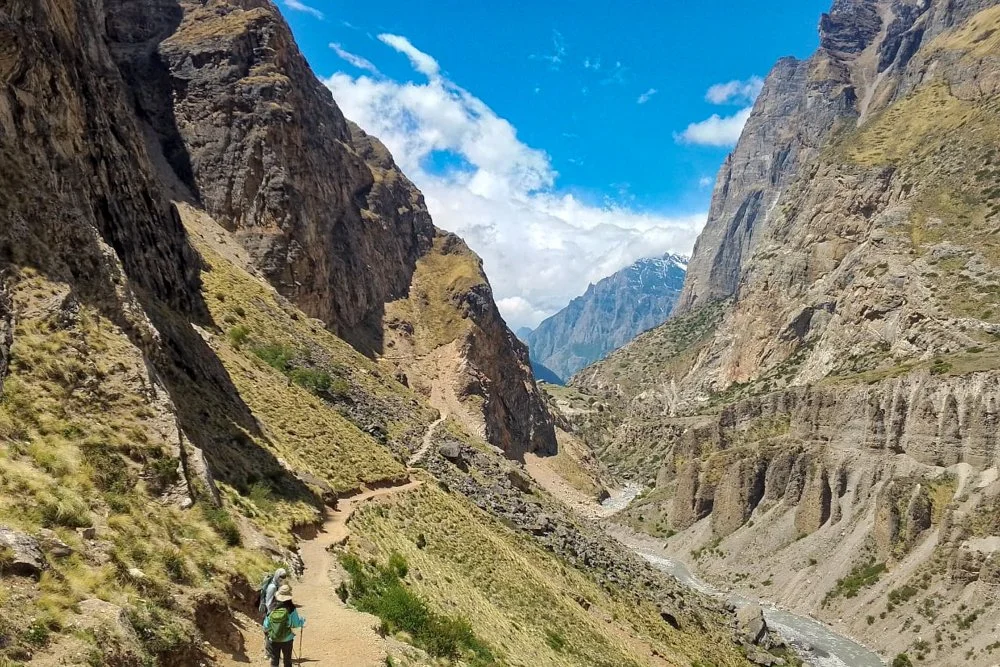
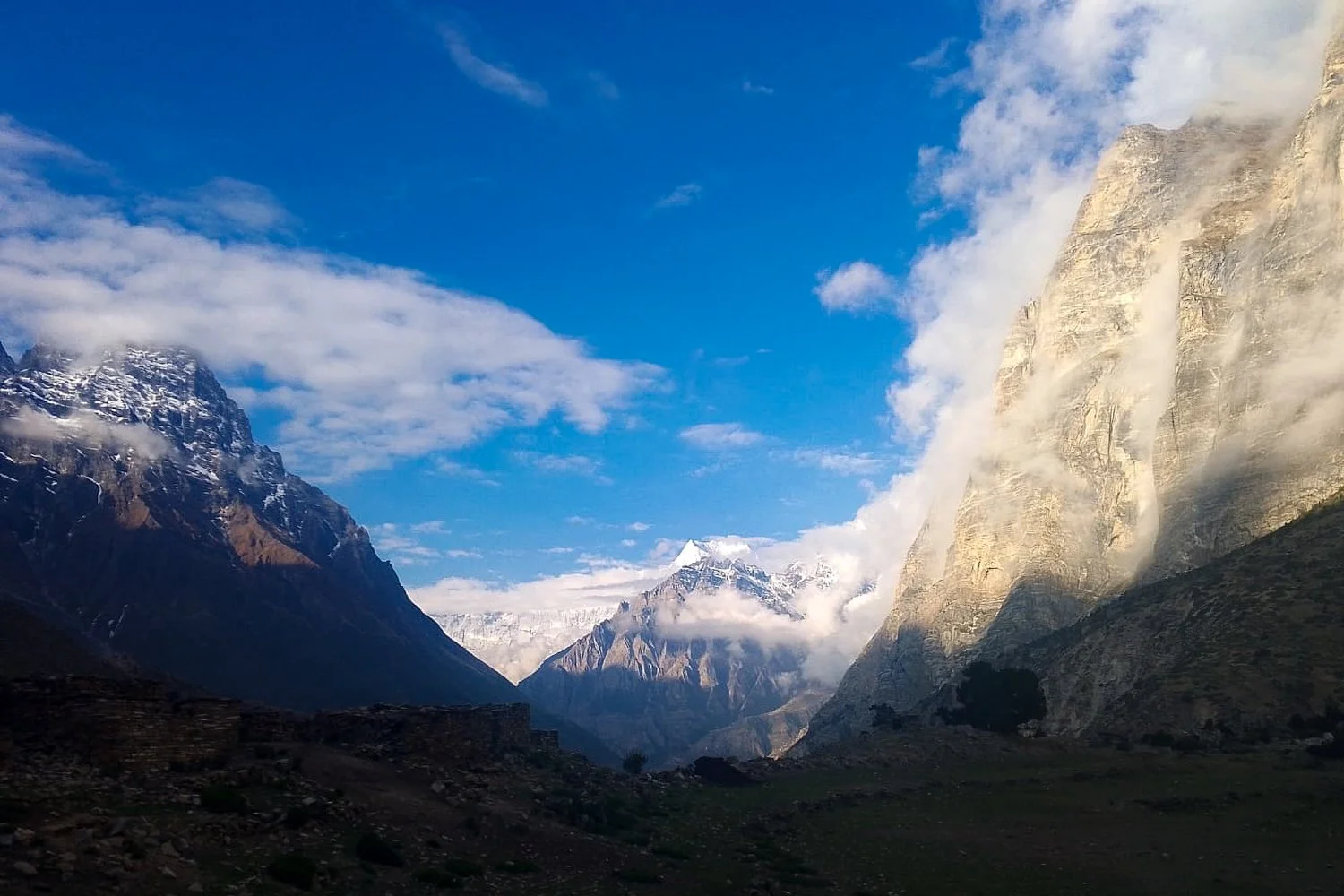
Left: Green trails in Nar Phu during summer; Right: Clouds build up in a valley in Nar Phu in the afternoon on a summer’s day
By September, the monsoon rains start to retreat, opening up other possibilities, including the Manaslu Circuit, the Langtang valley, and even the Everest region. However, since 2007, the monsoon in Nepal has been ending later and later. In 2025, the monsoon withdrew from eastern Nepal on October 10, more than a week later than usual. The duration of the 2025 monsoon was also the longest — 135 days — since at least 1968, according to local records.
Tourists visiting Nepal from mid-June to mid-October will enjoy more solitude on the trails, the lushness that the seasonal rains bring, and adventurous side-trips in misty valleys. But they have to come prepared.
Below are some recommendations (by no means exhaustive):
**Expect potential delays on the ground. While places like Mustang or Nar Phu are dry, the roads to those areas will not be. Landslides or washed-out dirt roads could delay traffic. Build buffer days into your itinerary. A rigid timetable is a recipe for disaster before the trip even begins. Flights in and out of Nepal might also face delays. Flexibility is key. Slow travel is encouraged.
**Due to climate change, even the driest parts of Nepal have not been spared from sudden and unexpected downbursts and even flash floods. Bring rain gear and treat rivers with respect, even when it is bright and sunny. Such downbursts are rare but not non-existent.
**Expect a wide range of temperatures at elevations of more than 3,000m (9,843ft). Nights in Mustang, Nar Phu, and Manang will be chilly, with temperatures ranging from 5°C (41°F) to 10°C (50°F). Dress warmly. By contrast, daytime temperatures can rise as high as 30°C (86°F).